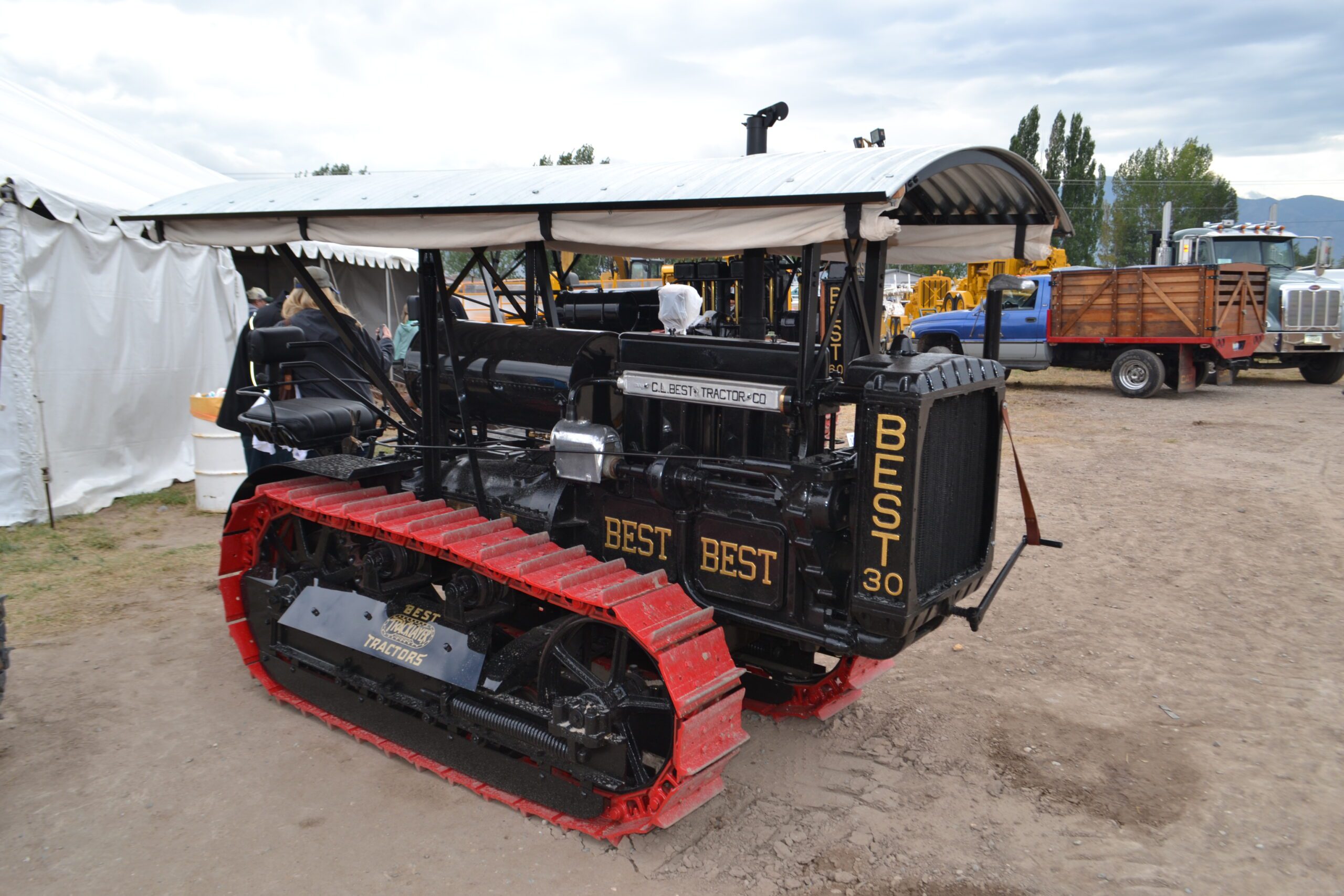
C. L. Best Tractors

By: Eli Christenbury
December 16, 2025

History of the C.L. Best Tractor Company

The history of the C.L. Best Tractor Company is deeply rooted in the legacy of Daniel Best, an early innovator who began developing steam and gas tractors in the late 19th century [3, 5]. In 1908, Daniel Best sold his company to his rival, Benjamin Holt, and his son, Clarence Leo (C.L.) Best, initially worked as the manager of Holt’s San Leandro plant [3, 5]. However, C.L. Best, who had been brought into the family business at age 13, left in 1910 to form his own entity: the C.L. Best Gas Traction Company [3, 5].

This move, intended to continue the work pioneered by his father, sparked a fierce rivalry between C.L. Best and the Holt Manufacturing Company [5, 11]. By the end of World War I, Best’s company boasted superior financial status and more advanced tractor designs compared to Holt [5]. In 1925, the two rivals merged their interests to form the Caterpillar Tractor Co., with C.L. Best serving as the chairman of the board until 1951 [3, 5].

C.L. Best Round Wheel Tractors (1910–1916)

Upon establishing the C.L. Best Gas Traction Company in 1910, C.L. Best launched his independent manufacturing venture with a focus on traditional wheel-type traction engines before transitioning to the track-layer designs for which the company later became famous [5, 11]. These early machines, produced between 1910 and 1916, represented Best's initial challenge to the Holt monopoly [3, 6].

Production and Specifications

Production of these round-wheel tractors took place at the company's first plant, located in Elmhurst, California, as well as in San Leandro, California [6, 11, 5]. According to antique machinery records, the production run for these "Best Round Wheel Tractors" included serial numbers 1-RW through 105-RW [6].

These machines were massive, high-horsepower units designed for heavy agricultural work on large Western farms [3]. They were powered by internal combustion engines—specifically Buffalo engines—rather than steam, with power outputs ranging from 40 to 90 horsepower [3, 6]. One surviving example of this era is a notable 1911 75-horsepower round wheel tractor, which was owned by the Shank family and is located at the Pioneers Museum in Imperial, California [5, 6]. These wheel-type models were offered alongside the later track-type machines for a short period [13].

The Rapid Pivot to Tracks

Although C.L. Best started with round-wheel models, his time spent developing them was remarkably short, serving as a brief but critical step in his engineering development [5]. The company began working on a new track-type tractor design within a few months of its founding [5].

By the end of 1912, only two years after forming his company, Best had his first track-type machine, the Best 70 Tracklayer, ready for production [5]. This design featured a rear track and a front tiller wheel [3]. This swift transition cemented the company’s reputation as an innovator in crawler technology, ultimately leading to the success of its famous Tracklayer models and the eventual 1925 merger with the Holt Manufacturing Company to form Caterpillar [5, 15].

Predecessor Designs: The Daniel Best Steam Tractors

While C.L. Best's company focused on gas traction, the design lineage traces back to the steam tractors built by his father, Daniel Best. A notable example is the 1905 Best Steam Tractor, a massive round-wheeled machine used for logging [7]. This steam engine possessed a 110-horsepower drawbar capacity and a top speed of 4.5 miles per hour [7]. It featured variable cut-offs allowing the operator to change speed and was capable of sucking 55 gallons of water per minute into its boiler system using a vacuum hose [7]. These "big wheels" on the steam tractors were the direct precursors to the track systems that would eventually dominate the industry [7].

The Daniel Best steam tractors were widely used in North America for agricultural tasks such as threshing and plowing, with some models capable of pulling 30 or more plow bottoms [1]. Although the steam engine was gradually phased out by the mid-1920s in favor of internal combustion engines like those developed by C.L. Best, the immense pulling power and round-wheel design of these early steamers laid the groundwork for future traction technology [1].

The Legacy of C.L. Best and the Best Steam Tractors

The innovations of the Best family are deeply rooted in the history of heavy machinery and in the evolution of the modern tractor. While Clarence Leo Best, commonly known as C.L., is celebrated as a genius of gasoline-powered tracklayers and a founder of the Caterpillar Tractor Co., his engineering prowess was forged in the foundries of his father, Daniel Best, whose steam tractors ruled the agricultural landscape of the late 19th century.

C.L. Best: The Forgotten Genius

Clarence Leo Best, better known as C.L. Best, started young and was raised in the business. Born in 1878, he began work with his father, Daniel Best, for the Best Manufacturing Company in 1891 when he was only 13 years old. This apprenticeship gave him a good grounding in the mechanics of tractors, including his father's development of steam and early gas tractors.

In 1908, after a patent infringement lawsuit and intense competition, Daniel Best sold the Best Manufacturing Company to his rival, Benjamin Holt. The younger C.L. Best remained with the company at first, managing the San Leandro plant for Holt. In 1910, however, driven by ambition and possibly family rivalry, C.L. Best struck out on his own to form his own company: the C.L. Best Gas Traction Company.

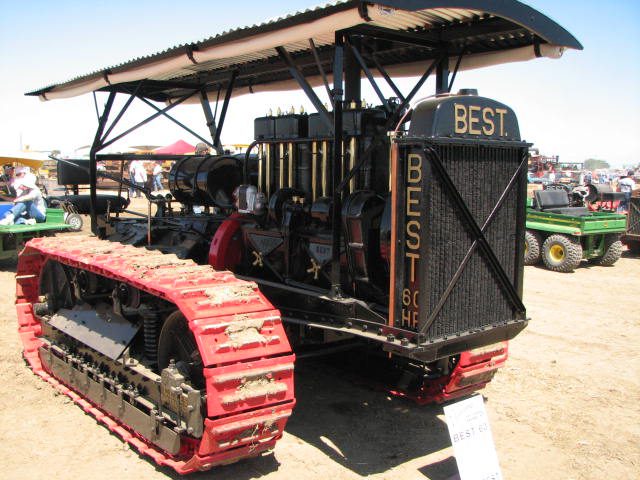
Operating in direct competition with Holt, C.L. Best proved to be a formidable innovator. While Holt was known for conservative, consistent designs, Best was continually refining and improving his machines. He introduced the "Tracklayer" line of tractors, including the legendary Model 60 Tracklayer. The Model 60 is considered one of the greatest crawler models ever built, featuring innovative engineering such as:

  • The sections of track oscillate to smooth out the ride, while improving traction.
  • Extensive use of antifriction bearings to reduce wear.
  • An advanced steering system using multiple-disk enclosed friction clutches permitting power to both tracks even in turns.
  • A powerful valve-in-head engine capable of delivering massive torque.

The rivalry between the Best and Holt families finally subsided in the face of the economic strains of the post-WWI recession. In 1925, the two companies merged into the Caterpillar Tractor Co. C.L. Best became its first chairman of the board, holding the position until his death in 1951. His design principles, especially those of the Model 60, would be a template for Caterpillar's success going forward. "Caterpillar Yellow" machines would eventually build landmarks like the Hoover Dam and the Golden Gate Bridge.

The Best Steam Tractors

Before C.L. Best transformed the industry with gasoline tracklayers, the Best name was synonymous with steam. The Best Manufacturing Company, founded by Daniel Best, manufactured some of the most powerful and distinctive steam traction engines of the era.

Innovation and Design

Daniel Best built his first steam traction engine in 1889 after seeing a Remington steamer and buying the rights to manufacture it. Within a year he made improvements to the design that better met the demands of Western agriculture and hauling.

  • Upright Boiler: Whereas most of the competitors used horizontal (locomotive-style) boilers, Best employed an upright boiler. This vertical orientation was a critical safety feature; it prevented the crown sheet from being exposed and overheating when the tractor traveled up or down steep hills—a common cause of explosions in horizontal boilers.
  • High Pressure: The best tractors had a boiler steam pressure of 200 psi, whereas most in the industry were rated for a maximum pressure of 150 psi. This guaranteed great power and efficiency.
  • Tricycle Configuration: The tractors were of a three-wheeled "tricycle" configuration, having two large rear drive wheels and a single front wheel. This configuration provided excellent balance for the heavy upright boiler and enhanced maneuverability.
  • Power: The engines were huge, and their biggest versions could produce up to 110 horsepower. They were designed to burn wood, coal, and oil; the latter was often preferred due to its efficiency.

"Old Dinah" and Industrial Hauling

One of the most famous surviving examples of a Best steam tractor is "Old Dinah." Purchased in 1894 to haul borax out of Death Valley, this 110-horsepower engine was intended to replace the famous 20-mule teams. Capable of hauling heavy loads of borax ore to the railhead, Dinah was a mechanical marvel of her time. The harsh desert environment proved difficult; the tractor struggled with soft sand and steep grades, and mechanical maintenance was constant.

Although "Old Dinah" was eventually retired and replaced by mules and then railroads, the Best steam tractors remained a dominant force in agriculture for decades. In applications requiring immense power, they were ideal for logging, freighting, and pulling massive combined harvesters. As the steam era gave way to the internal combustion engines championed by C.L. Best, the robust engineering of the Best steamers laid the foundation for the heavy equipment industry that followed.

References:

[1] https://en.wikipedia.org/wiki/Steam_tractor
[2] https://www.practicalmachinist.com/forum/threads/us-steam-tractors.208896/
[3] https://www.agriculture.com/c-l-best-forgotten-genius-of-caterpillar-8744204
[4] https://www.farmcollector.com/steam-traction/early-steam-tractor-design/
[5] https://www.caterpillar.com/en/news/caterpillarNews/history/caterpillarhistorycomestolife.html
[6] https://chriscomachinery.com/antique-caterpillar-machinery/
[7] https://www.youtube.com/watch?v=b3RgoCACDiQ
[8] https://www.farmcollector.com/steam-engines/steam-engines-company-history/best-holt-rivalry-part2-zm0z21novzram/
[9] https://theforesterartist.com/2014/04/04/forestry-friday-steam-traction-engine/
[10] https://www.facebook.com/groups/413414438697407/posts/9212114115494018/
[11] https://en.wikipedia.org/wiki/C._L._Best
[12] https://www.caterpillar.com/en/company/history/archive/cl-best.html
[13] https://www.agriland.ie/farming-news/machinery-focus-the-farm-roots-of-caterpillar-in-its-100th-year/
[14] https://en.wheelsage.org/best
[15] https://www.californiaagmuseum.org/best-refines-the-self-laying-track
https://www.farmcollector.com/steam-engines/steam-engines-company-history/man-who-was-best-zm0z21novzram/
https://www.smokstak.com/forum/threads/an-interesting-steam-tractor-best.42922/
https://www.girr.org/girr/relics/dinah/dinah.html
https://www.agriculture.com/c-l-best-forgotten-genius-of-caterpillar-8744204
https://www.californiaagmuseum.org/best-steam-tractor
https://en.wikipedia.org/wiki/Best_Manufacturing_Company
https://www.caterpillar.com/en/news/caterpillarNews/history/daniel-best-builds-his-first-steam-traction-engine-tractor.html
https://artbatdf.org/hall_of_fame/benjamin-leroy-holt-clarence-leo-c-l-best/
This article was compiled in part using Gemini AI

Serial Numbers: How to Identify

Serial Numbers or “Tractor Numbers” for Best Model Tractors have the following “Letter” at the beginning or end of the serial number.

  • “A” Best Model 60 SN location listed below
  • “B” Best Model 25 SN painted on track roller frame
  • “C” Best Model 75 SN painted on side main frame
  • “D” Best Model 40 SN painted on track roller frame
  • “S” Best Model 30 SN location listed below

If the number on the tractor does not include the right “letter” for the model of tractor then it is the Royalty number.

  • The Royalty number was issued after Holt and Best settled their litigation around the beginning of 1919

The serial number and royalty number may or may not have the same number of digits, in most cases the serial number will be a lower number than the royalty number.

The royalty number is located on the brass tag with the patent numbers listed, the tag is sometimes mounted on the fenders.


The serial number is located on a tag that reads “Tractor Number”, which is located in the following locations:
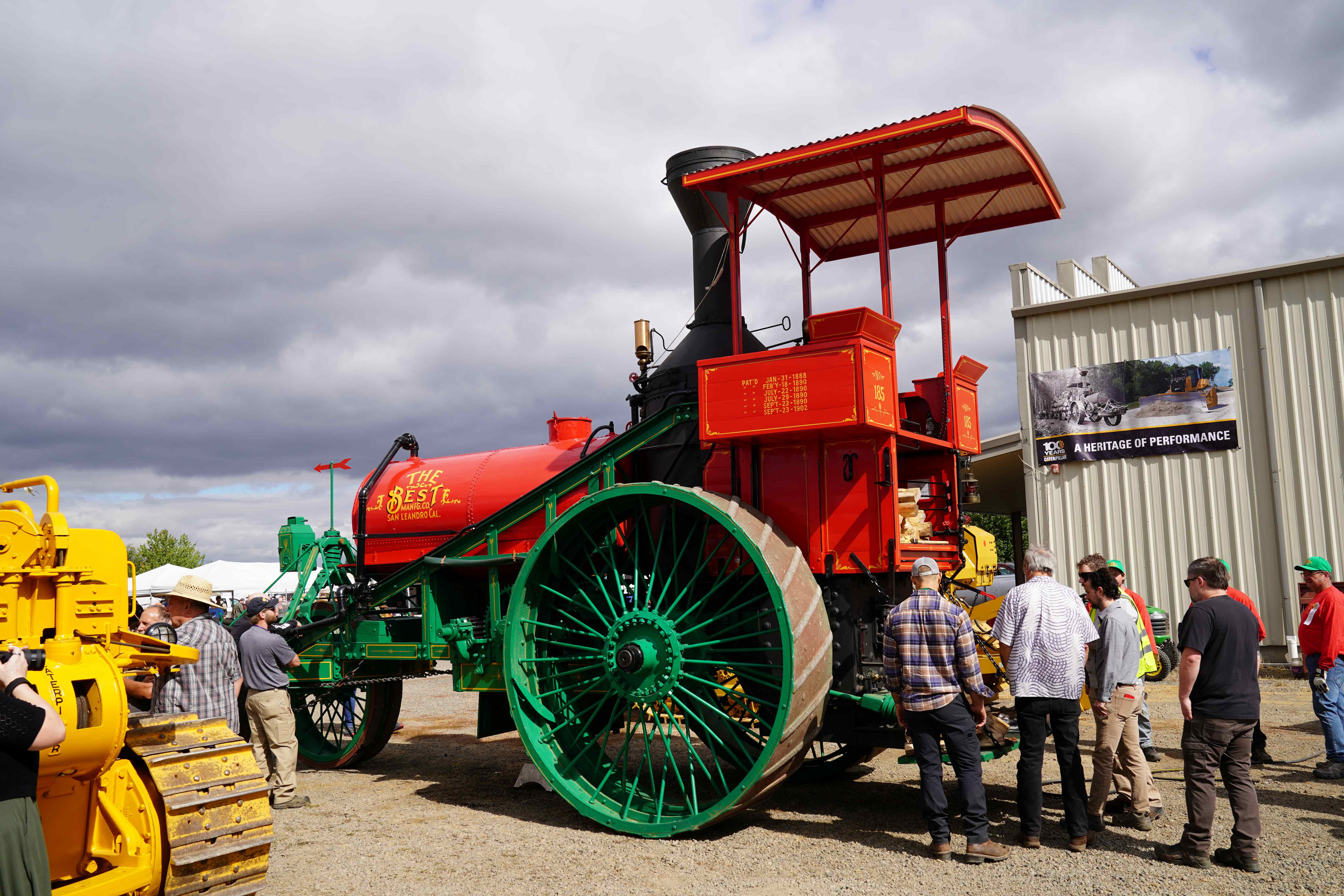
  • On the left side on the engine block
  • Directly under the water pump-for the model thirty
  • Below Cylinder #1-for model sixty
  • Left side of seat base, or just above the drawbar on the transmission housing

Serial Number Listings:

The list below has been generated from information we have received from machinery owners and from different publications
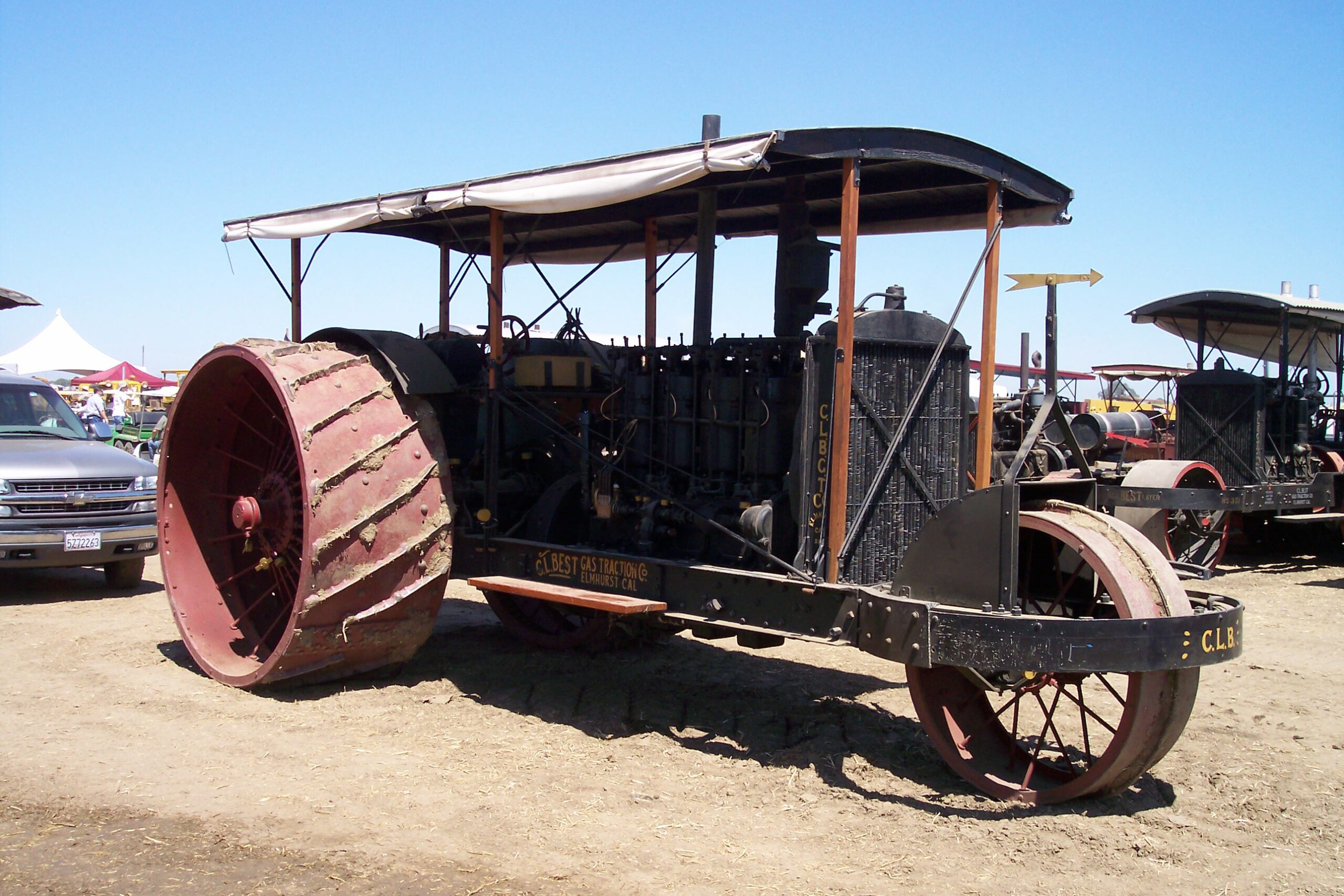
Best Tractor Promotional

Best Company Promotional

Best Round Wheel Tractors

1-RW to 105-RW
1910-1916
Manufactured in San Leandro, CA, USA
1911
75hp Shank Family, Pioneers Museum, Imperial, CA, USA
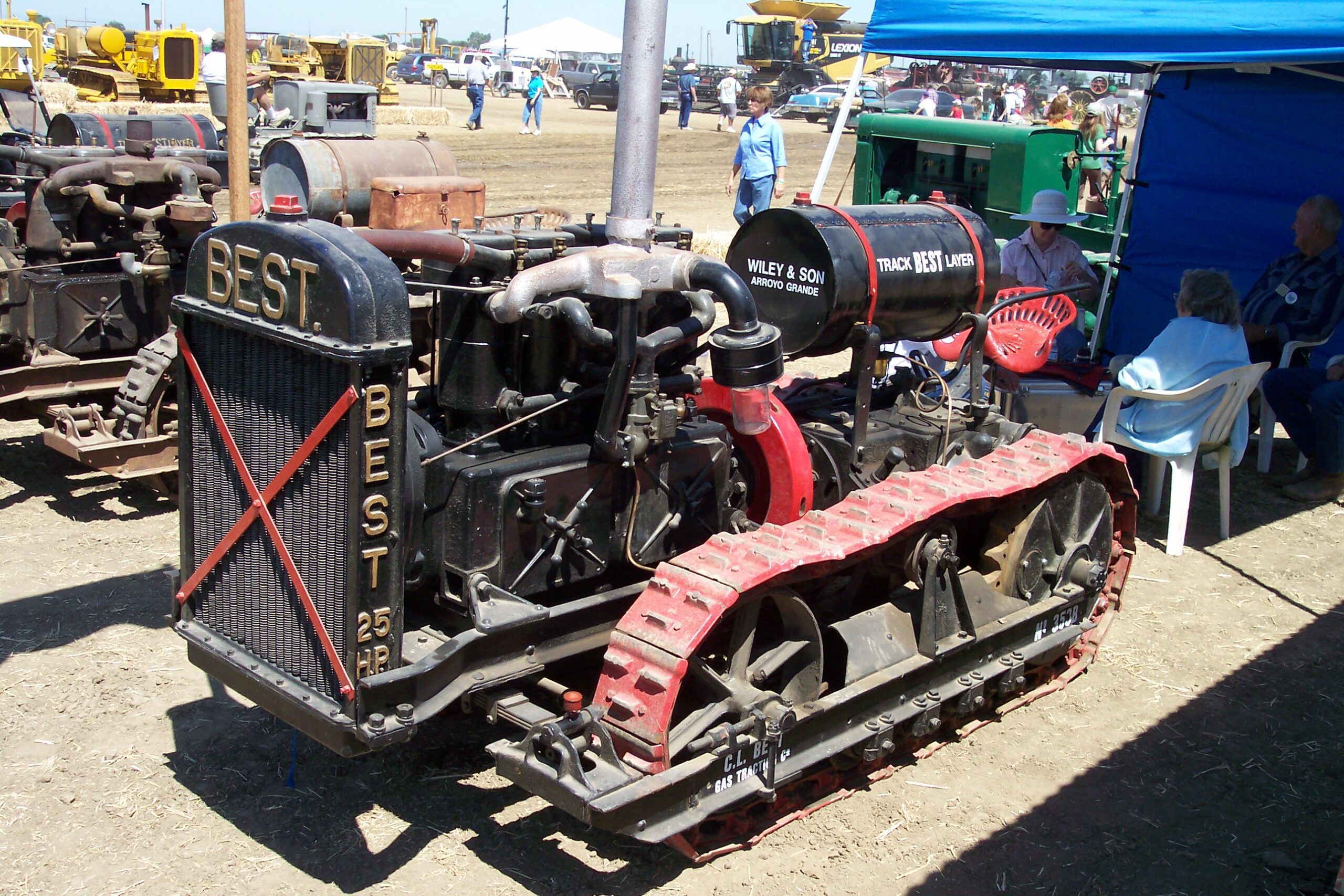
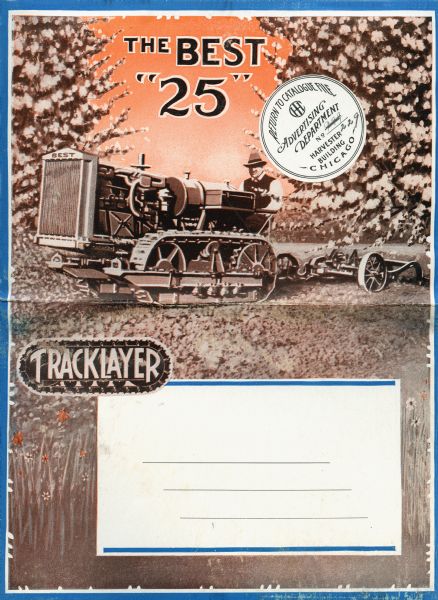
Best 25

1-B to 300-B
1918-1920
Manufactured in San Leandro, CA, USA
1919
Serial No. unk Tom Madden, Paso Robles, CA, USA
1919
353B Carson Wiley, Arroyo Grande, CA, USA
1919
165 Bill Santos, CA, USA
1919
199 CA, USA
1920
213 Spegel Family, Portland, OR, USA
Yr. unk
389 Bright's Pioneer Museum, Le Garnd, CA, USA
Yr. unk,
1794 Heidrick Ag. Center, Woodland, CA, USA
Yr. unk,
1872 CA, USA
Yr. unk
Tyler Family, Moore, MT, USA
Best Model 30

1921 S1001-S1279
1016 Traynham Ranches, Arbuckle, CA, USA Restored

1922 S1280-S1648
S 1298 Bob Curry, Duncansville, PA, USA Canopy
S 1424 Christenbury Caterpillar Collection, Liberty, NC, USA Tail seat
S 1446 Rangiora, NZ, USA
S 1514 Josh Stephenson, Temecula, CA, USA(former Doug Veerkamp) Orchard Restored
S 1553 Jack Wallace, Woodland, CA, USA
S 1581 CA, USA
S 1645 Traynham Ranches, Arbuckle, CA, USA Trans. Only

1923 S1649-S2147
S 1691 Traynham Ranches, Arbuckle, CA, USA Restored
S 1694 CA, USA
S 1782 Jack Alexander, Gilroy, CA, USA
S 1868 Rick Hawksworth Awahnee, CA, USA
S 1969 Jon-Mark Horta, Atwater, CA, USA
S 2040 Bill Santos, Newcastle, CA, USA
S 2072 Tom Madden, Paso Robles, CA. (former Kenneth Avery, Qualer Hill, CT, USA) Top Seat Snow Crusier
S 2103 CA, USA

1924 S2148-S3101
S 2401 Chris Brummett Carthage MO, USA
S 2685 Moulding Collection Ogden UT, USA
S 2702 NC, USA Top Seat
S 2832 Larry Frey NY, USA Factory Top Seat with Cab Restored
S 2886 Heidrick Museum Restored orchard

1925 S 3102-S4115
S 3115 Jon-Mark Horta, Atwater, CA, USA
S 3138 Frank Portera, Morgan Hill, CA, USA
S 3140 CA, USA
S 3306 Scott Moulding, Ogden, UT, USA Top seat, pto, canopy
S 3432 CA, USA
S 3507 Traynham Ranches, Arbuckle, CA, USA Restored
S 3568 Billy Saunders, VA, USA
S 3568 is last offical Best 30
Best UK UC Davis, Davis, CA, USA Best
Best UK UC Davis, Davis, CA, USA
Best UK UC Davis, Davis, CA, USA Orchard
Best UK Antique Farm Eq. Museum, Tulare, CA, USA
Best UK Bright’s Pioneer Museum, Le Grand, CA, USA
Best UK Heidrick Ag. Museum, Woodland, CA, USA
Best UK Vista Museum, CA, USA
Best UK Peter Holt, TX, USA
Best UK National Ag. Research Center, Japan
Best Model 40

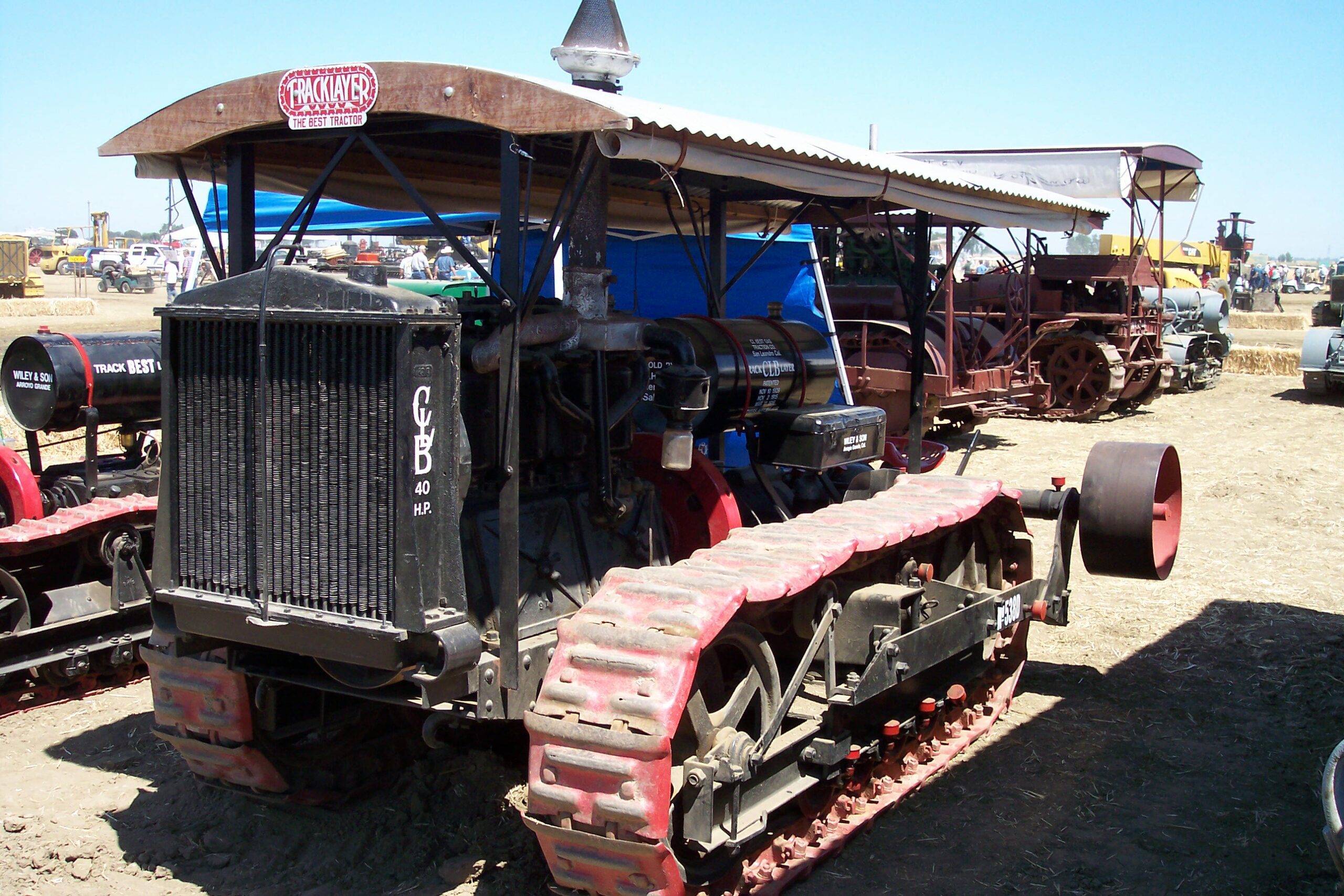
102-D-844-D Mfg. 1917
868-D-899-D Mfg. 1918
923-D-924-D Mfg. 1919

Mfg. 1911-1920 in San Leandro, CA, USA
378 D
CA, USA
1917
538D Carson Wiley, Arroyo Grande, CA, USA
1918 668D Paul Skirvin, Philomath, OR, USA
Serial No. unk
Marciel Family, Altaville, CA, USA
Serial No. unk
Heidrick Ag. Museum, Woodland, CA, USA
Yr. unk, 1084 CA, USA
Best Model 60

Best Sixty Manual
Nebraska Test No. 76

1919 101A-352A
101 A Tom Madden, Paso Robles, CA, USA Canopy
102 A Enyeart Family, Laramie, WY, USA
103 A Fred Heidrick, Woodland, CA, USA
150 A
345 A

1920 353A-993A
372 A Doug Veerkamp, Placerville, CA, USA Tailseat
507 A
858 A Ed Claessen, Waverly, MN, USA

1921-994A-1056A

1922 1057A-1248A
1078 A Jack Alexander, Gilroy, CA, USA
1159 A Doug Veerkamp, Placerville, CA, USA

1923 1249A-1684A
1366 A Jason Payne, Long Island, NY, USA (Former Caleb Carpenter, Piedmont, OK, USA)
1432 Holt Cat Inc., San Antoino, TX, USA
1587 Traynham Ranches, Arbuckle, CA, USA
1588 Moulding Collection, Ogden, UT, USA
1592 A Rick Hawksworth

1924 1685A-2235A
1833 Russell Turner, McArthur, CA, USA
1866 Russell Turner, McArthur, CA, USA Logging Special Been in family since new!
1947A Enyeart Family, Larmie, WY, USA (Former Dan Voght Tractor, Hartford City, IN, USA)
1990A Tom Madden, Paso Robles, CA, USA
2072A Scott Moulding, Ogden, UT, USA Top Seat, Canopy
2125 Jon-Mark Horta, Atwater, CA, USA
2157A Christenbury Caterpillar Collection, Liberty, NC, USA
2167A Jack Alexander, Gilroy CA, USA
2363A Russell Turner, Orangeville, CA, USA
2371 Traynham Ranches, Arbuckle, CA, USA
2472A Dan Voght, Hartford City, IN, USA
2489A Fred Lowry, Salida, CA, USA
2501A Ken Eder, Carthage, NC, USA

1925 Changed to Caterpillar after 2547A
uk Bright’s Pioneer Museum, Le Grand, CA, USA Tail Seat
uk UC Davis, Davis, CA, USA Top Seat
1921 uk MN, USA
1923 uk England
1924 uk Bob Hill, Miami, MB, USA
uk Peter Holt, TX, USA
Best Model 75

Model 75 Manual

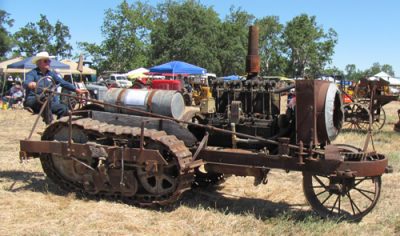
201-C thru 969-C
979-C

1911-1919 Mfg. in San Leandro, CA, USA
351 Heidrick Ag. Museum Woodland CA, USA
617 Tom Madden Paso Robles CA, USA
727 Bright’s Pioneer Museum Le Grand CA, USA
880 Wallace Ranch Woodland CA, USA
963 Dave Marcial Herald CA, USA

/ ?
Loading PDF...